A recent statewide Winter Institute on Holocaust and genocide education is prompting strong feedback from educators, who report gaining practical tools and strategies they plan to apply in their classrooms and school communities.
A New Model for Professional Development
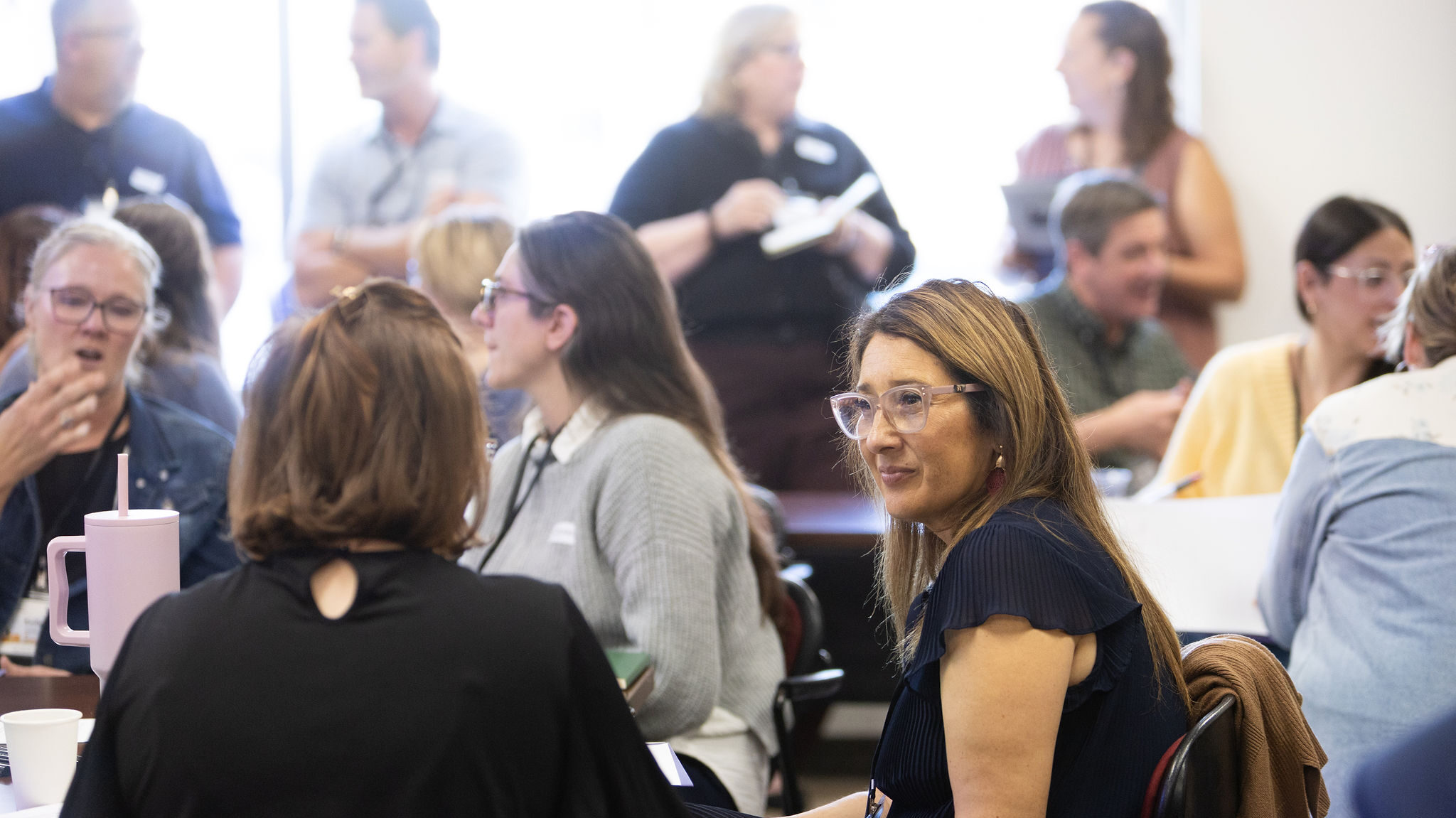
For the first time, the Institute brought together school teams—teachers, principals, district leaders, and county office staff—designed to align classroom instruction with school and district leadership. The institute was at maximum capacity with 147 participants from 29 districts, 60 school sites, and 19 counties.
This team-based approach marks a shift from traditional professional development. Instead of focusing only on individual classrooms, it is designed to support change across entire school systems.
A Collaborative Effort
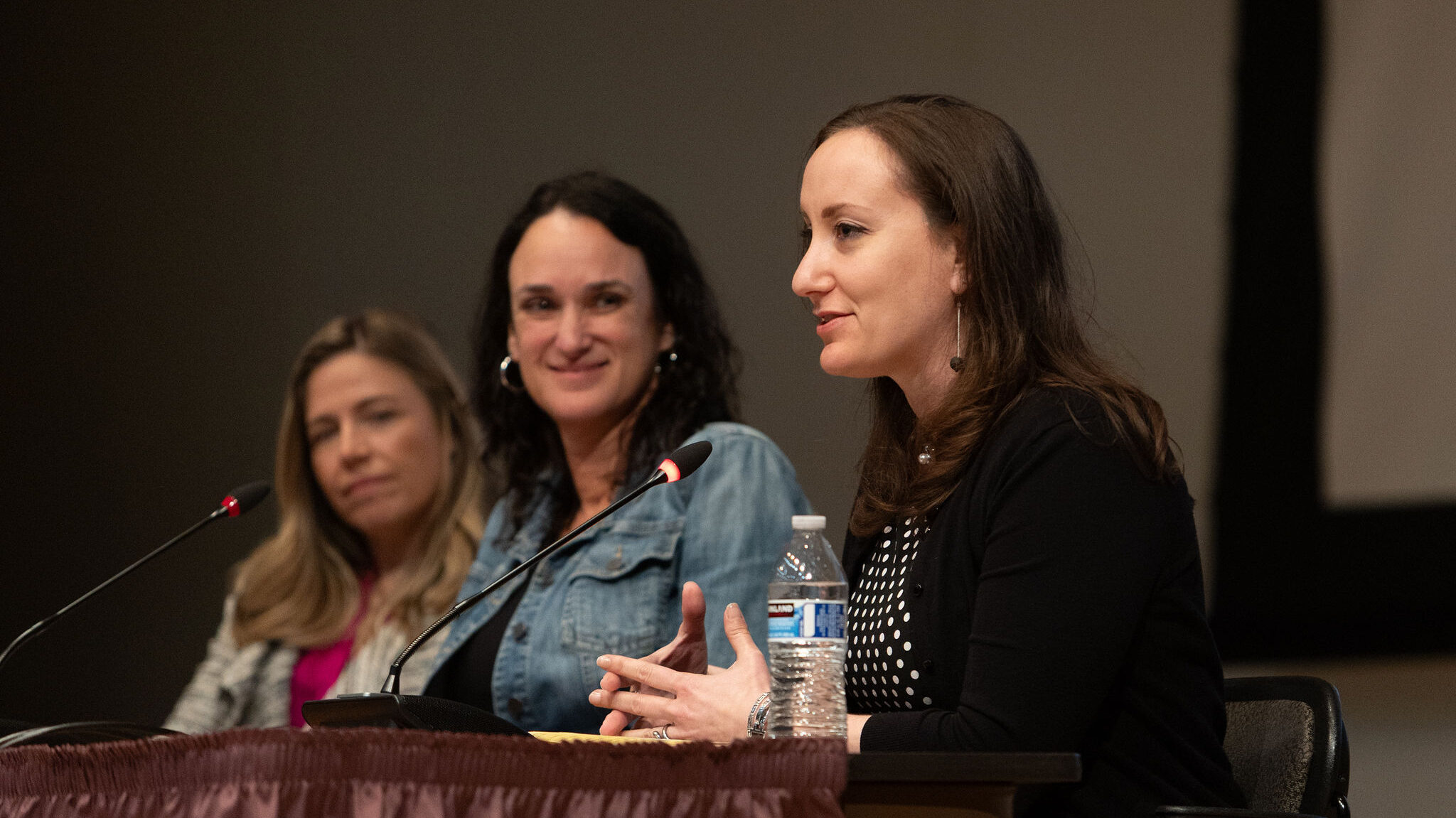
The Institute featured sessions led by staff from the California Department of Education, the California Civil Rights Department, the Intercultural Networks Group, and representatives from the Menlo Park City School District.
It also drew on the expertise of Collaborative partners, including:
- Facing History & Ourselves
- Cambodian Genocide Resource Center
- JFCS Holocaust Center
- The Genocide Education Project
- USC Shoah Foundation
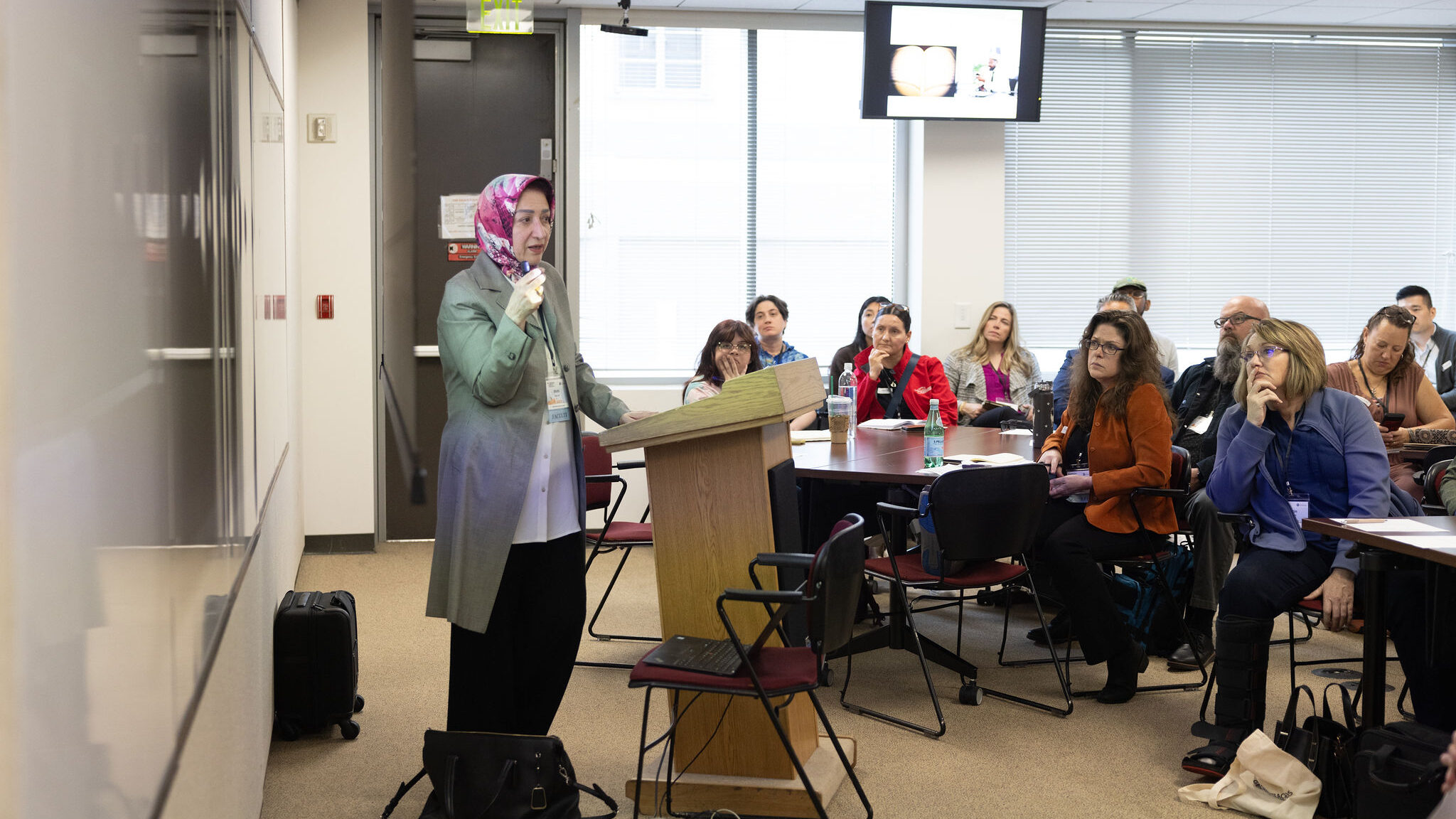
Together, these partners contributed historical expertise, pedagogical strategies, and real-world perspectives to support educators in navigating complex and sensitive topics.
A Resource with Staying Power
To help teams carry this work forward, Institute organizers introduced a Toolkit for Addressing Hate. The resource is designed for school boards, district leaders, principals, educators, counselors, and staff, offering guidance for responding to incidents of harm with care, clarity, and purpose—before, during, and after they occur.
When asked what resources they’d be taking back to their schools, 3/4 of participants specifically cited the Institute’s toolkit and described it as practical, adaptable, and ready for use across classrooms and trainings
What Educators Took Away
Post-Institute survey data revealed high satisfaction rates:
- 98% reported being satisfied or very satisfied
- 97% would recommend the Institute to colleagues
- 96% said they gained insight into how teaching about peoplehood can help combat hate
- 100% affirmed the value of primary sources and lived experience in teaching this history
From Learning to Action
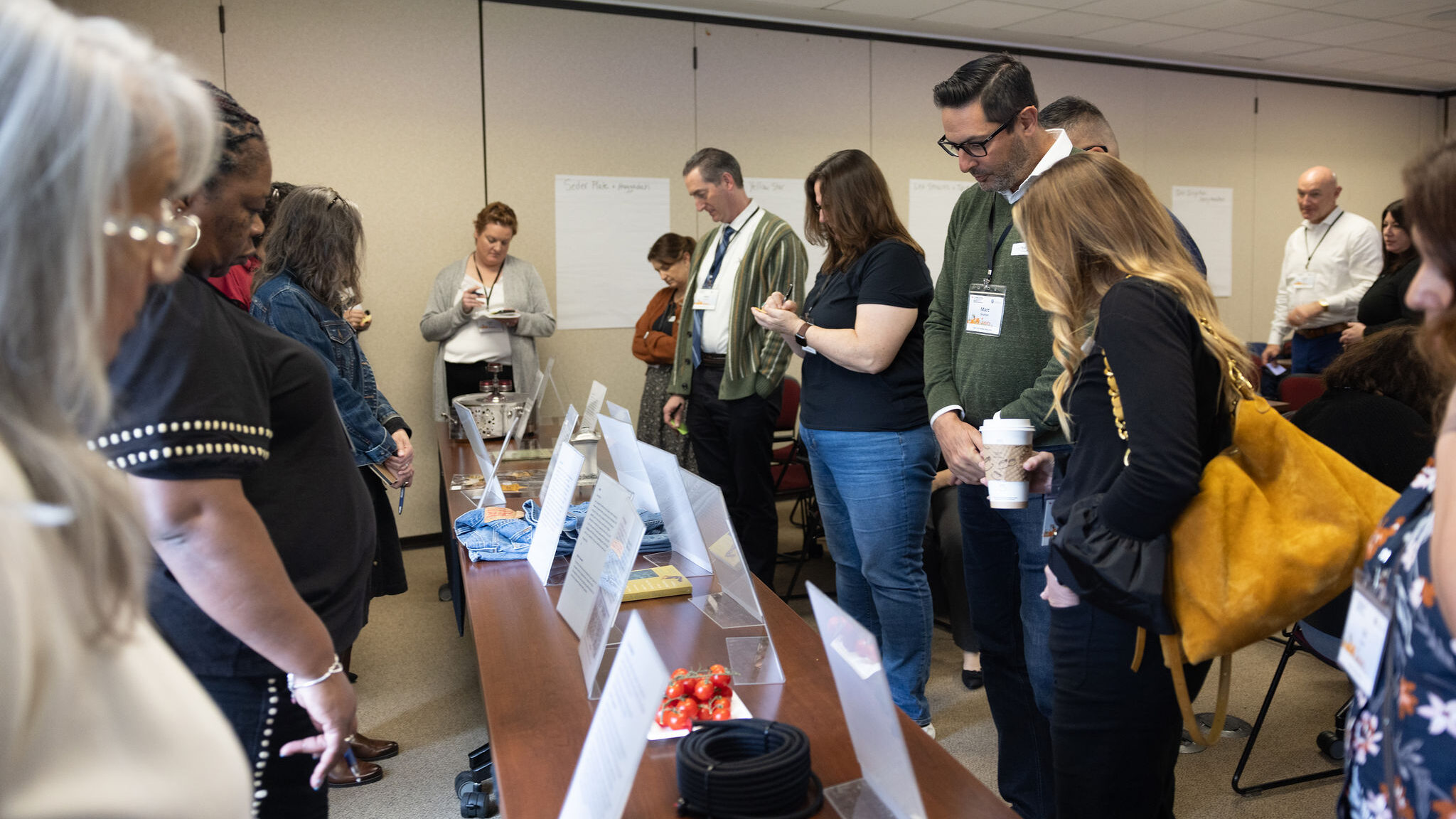
Educators repeatedly pointed to how quickly they could apply what they learned in their own classrooms and schools, as well as the value of networking with their peers. Participants shared:
“I have learned better ways to talk to students and confront hate speech.”
“Very excited to share the toolkit and conversations I had…with my team!”
“[I will] incorporate learning into our district professional development.”
“Connecting with others…was the most impactful piece.”
The shared experience reinforced that addressing antisemitism and hate is not isolated work, but a statewide effort requiring coordination and support.
What Comes Next
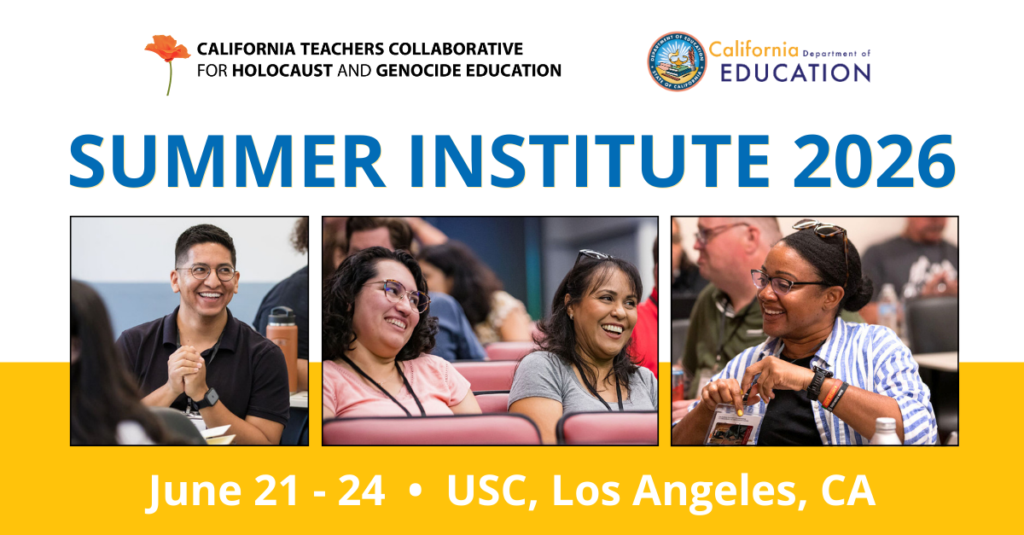
The 2026 Summer Institute in Los Angeles will build directly on the foundation established this winter, with a deeper focus on classroom implementation.
The 3.5-day program will bring together educators from across the state for immersive learning led by members of the Collaborative. Through workshops, content sessions, and hands-on pedagogy, teachers will deepen their understanding of Holocaust and genocide education while developing concrete strategies for classroom practice.
If the Winter Institute centered on system-wide alignment, the Summer Institute is designed to support what happens next—equipping teachers to translate that shared vision into meaningful, effective instruction for students.
Together, these two programs reflect a more comprehensive approach: aligning leadership and empowering educators, with sustained learning that continues beyond a single convening.