
For the fourth year running, educators are doing their part to strengthen Holocaust and genocide education in California.
AT A GLANCE
• 100% of educators said they received resources they will take back to the classroom
• 98% said the curriculum and instructional strategies were relevant for their schools
• 87% feel more confident teaching the Holocaust and genocide
• 3 in 4 participants had experienced an incident of hate or antisemitism in their school or community before attending
“I have never felt more purpose in my role as an educator. I am incredibly passionate about bringing all of this work to all of our classrooms, schools, and communities.”
That’s how Jessica, a teacher at Hillview Middle School, described her experience at the 2026 Summer Institute, and it captures exactly what happened in June when educators from across California gathered for the JFCS-led California Teachers Collaborative’s 4th Annual Summer Institute.
For four days, through 38 workshops, teachers immersed themselves in strategies, community, and a shared conviction: what we teach our students today shapes how they show up in the world tomorrow.
A Diverse Community of Educators
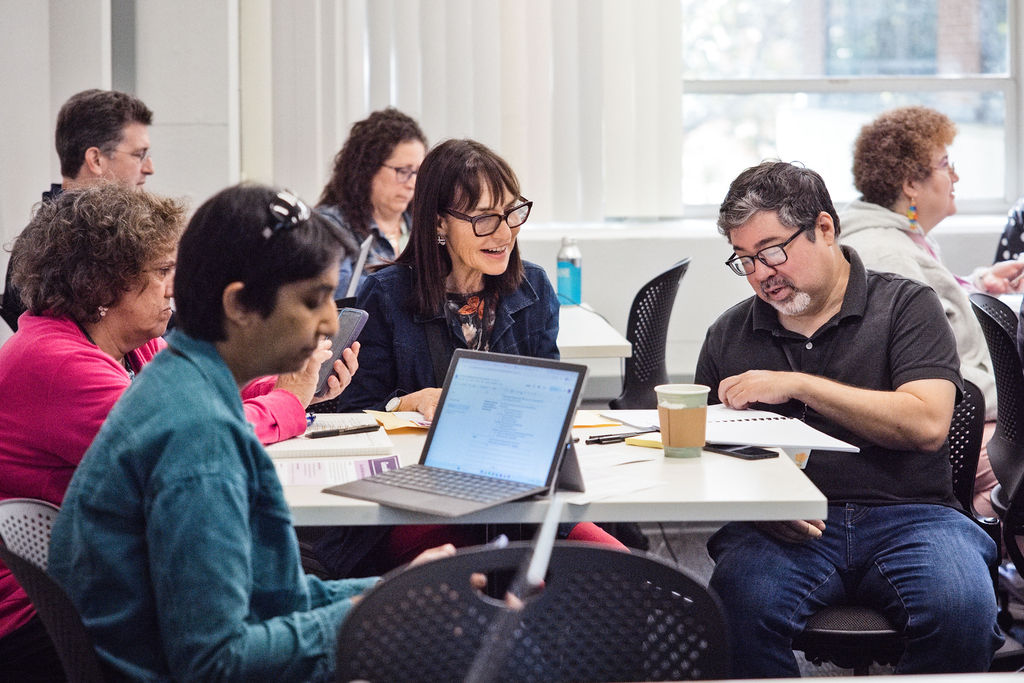
Teachers from public, charter, independent, Catholic, Jewish, and community college settings came together to exchange ideas, build lasting partnerships, and strengthen Holocaust and genocide education. This breadth is by design: hate does not respect the boundaries between school types, and neither does the work of confronting it.
38 Interactive Workshops
Holocaust education shouldn’t begin with tragedy, and this year’s workshops reflected that principle. Teachers explored the complexity of Jewish identity, the richness of Jewish life and culture, and what was lost—alongside interdisciplinary, standards-aligned strategies for teaching the Holocaust and genocide that they can bring directly back to their classrooms.
“I am honored and so very grateful to have been accepted to attend this institute,” said Candice, a teacher at Vista Unified School District. “As I unpack all that I learned, I am hopeful to have a positive impact in my classroom—for my students’ understanding of genocide and how we must interrupt the early stages.”
A Strong Statewide Partnership
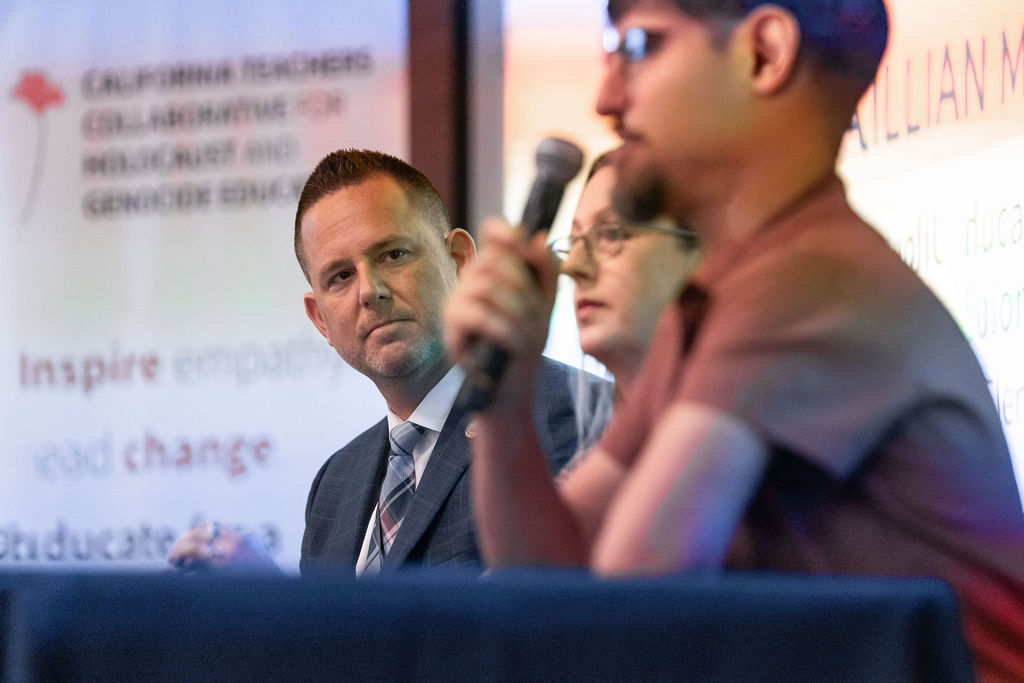
David Schapira, Chief Deputy Superintendent of Public Instruction and Chief of Staff of the California Department of Education (CDE), led a conversation with JFCS Educator Leadership Council members Carl Finer and Lillian McFarland. Their discussion highlighted the partnership between the CDE, California classrooms, and the JFCS Holocaust Center—and the power of educators leading educators.
Learning Beyond the Classroom
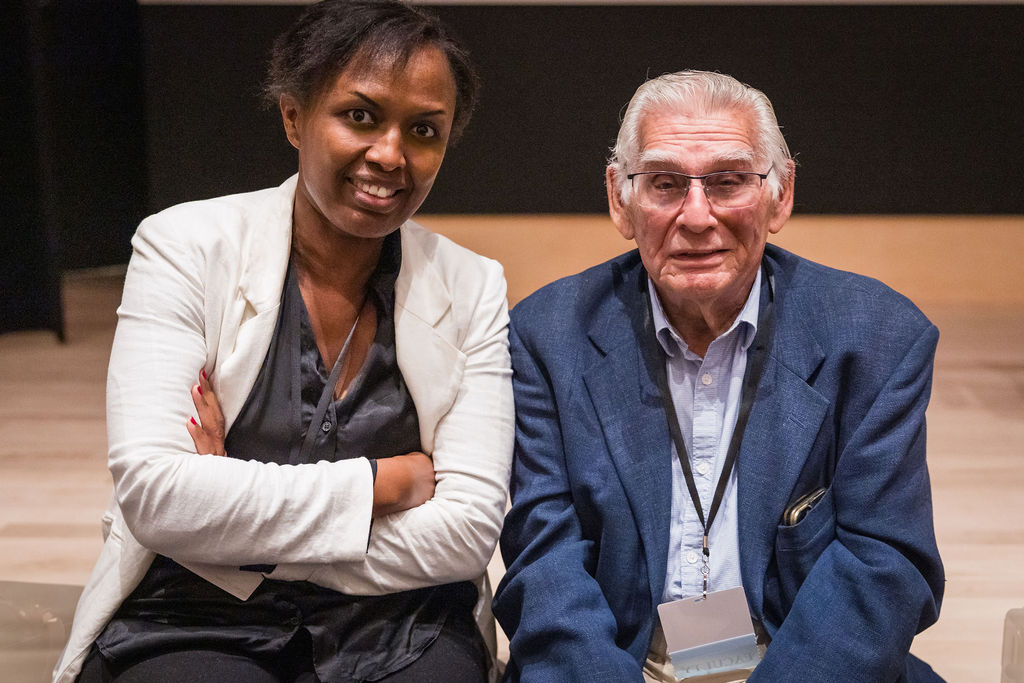
Educators explored Holocaust Museum LA and the Mobile Museum of Tolerance while hearing firsthand testimony from Holocaust, Rwandan, and Uyghur survivors. These immersive experiences deepened their understanding of the human impact of genocide and brought history to life in ways a textbook cannot.
Why Holocaust and Genocide Education in California Has Never Been More Urgent
The numbers above tell part of the story. Before the Institute began, three out of four participants reported experiencing an incident of hate or antisemitism in their school or community—a reminder of what’s at stake and why high-quality Holocaust and genocide education can’t wait.
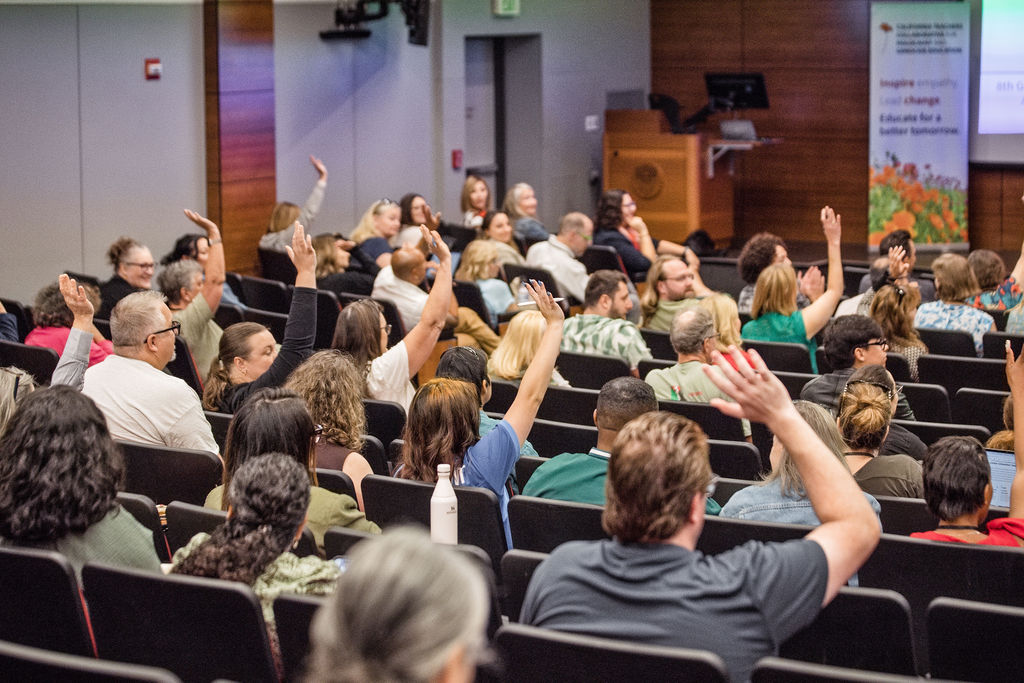
Together with the CDE, the California Teachers Collaborative is building a statewide network of educators equipped to confront antisemitism, hate, and dehumanization while helping students develop empathy, critical thinking, and historical understanding.
“The support and expertise of the faculty, JFCS, and fellow teachers mean the world to me,” said Victor, a teacher at Grover Cleveland High School.
As classrooms across California prepare for the year ahead, this growing network of educators stands ready; equipped not just with facts, but with the tools to help students build a more just and humane future.