
One of the most powerful ways educators strengthen Holocaust and genocide education is by sharing what works in their own schools. Throughout California, teachers and school leaders are finding meaningful ways to bring history to life, helping students connect the lessons of the past to the challenges of today. In this guest post, Principal Rebecca McMurrin of Ulysses S. Grant High School & Magnets shares how a performance of SURVIVORS created a memorable learning experience for her school community, and why storytelling remains such a powerful tool for education.
By Principal Rebecca McMurrin, Ulysses S. Grant High School & Magnets
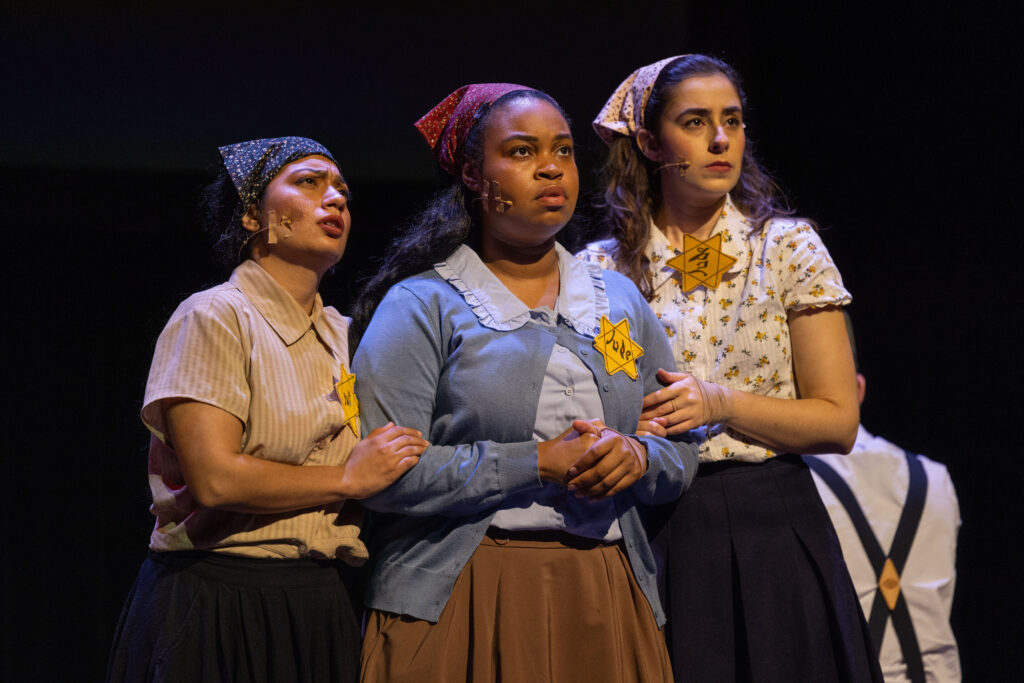
In January 2026, Ulysses S. Grant High School and Magnets welcomed SURVIVORS, a moving theatrical production that brings the history and enduring lessons of the Holocaust to life through the stories of Holocaust survivors. Produced by Arts for Change, a nonprofit organization that uses the performing arts to educate young people about history, social justice, and civic responsibility, the touring production demonstrates how storytelling can inspire empathy, critical thinking, and meaningful dialogue.
The performance held special significance for our school community because playwright Wendy Kout and Executive Producer Genie Benson are both proud Grant High School alumni.
Preparing Students for SURVIVORS
Before the performance, Arts for Change equipped our educators with a comprehensive Educator’s Guide that helped students prepare for what they would see on stage. The guide included historical background, survivor biographies, vocabulary, classroom discussion questions, and curated resources that encouraged thoughtful conversations before and after the performance. It transformed the experience from a single event into a meaningful learning opportunity.
The Power of Storytelling
SURVIVORS has been performed at high schools throughout the region, and every educator I spoke with described it as unforgettable. After seeing it at Grant High School, I couldn’t agree more.
Our students also heard remarks from Los Angeles City Councilmember Adrin Nazarian, who spoke about the importance of Holocaust education and the responsibility to apply its lessons to the challenges we face today. His message resonated deeply within our community. Grant High School has a significant Armenian student population, and many of our students have personal or family connections to survivors of the 1915 Armenian Genocide. That shared understanding made the themes of remembrance, resilience, and human dignity especially meaningful.
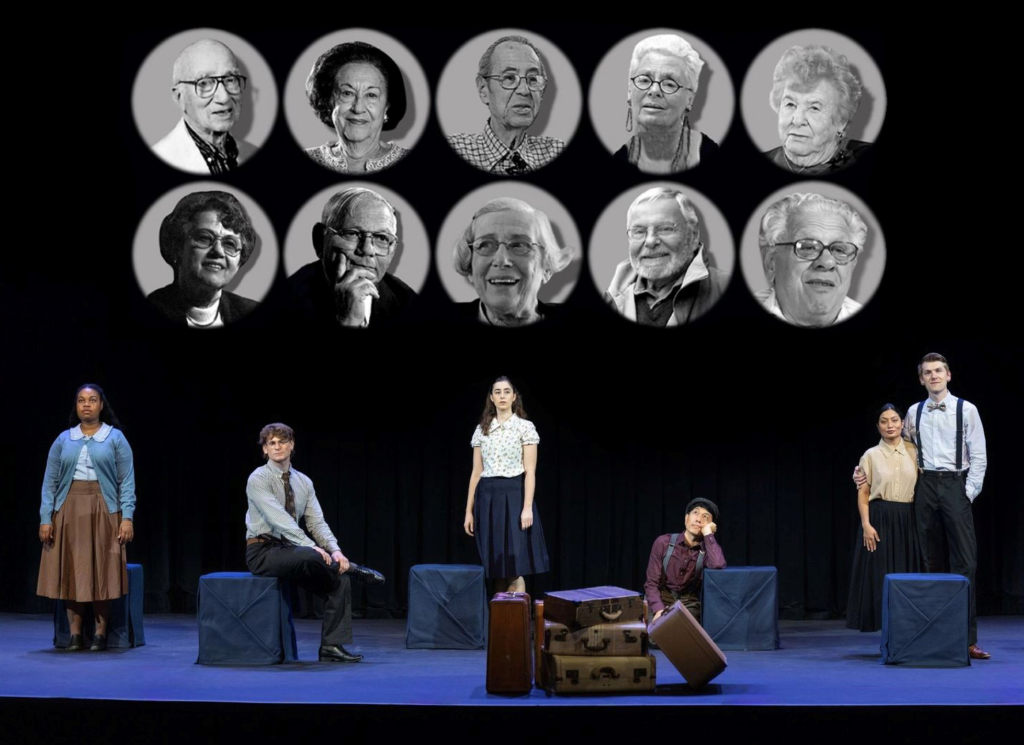
The production itself was remarkable in its simplicity. A talented ensemble portrayed multiple roles using minimal scenery and costumes, allowing the audience’s attention to remain where it belonged: on the stories. The result was a deeply moving experience that demonstrated how powerful theater can be when it centers authentic human experiences.
SURVIVORS Brings History to Life
Following the hour-long performance, students participated in a 30-minute “Talk Back” with the cast, playwright, and Holocaust survivors whose stories inspired the play. Many students were astonished to discover that a Holocaust survivor had been sitting among them in the audience. Hearing firsthand testimony transformed history from something found in textbooks into something immediate, personal, and profoundly human.
That experience feels especially relevant today. At a time when antisemitism, hate, and polarization continue to affect communities around the world, SURVIVORS reminds us of the consequences of prejudice—and the importance of empathy, moral courage, and standing up for one another.
Earlier this school year, I attended the Jewish Federation of Los Angeles’ Third Annual Education Leaders Summit, one of the most meaningful professional learning experiences of my more than 25 years in education. The themes explored there—memory, humanity, responsibility, and confronting antisemitism and all forms of hate—echoed many of the same lessons I witnessed through SURVIVORS. Both experiences reinforced the critical role educators play in helping students understand the past while preparing them to engage thoughtfully with the world around them.
Why Holocaust Education Matters Today
I am especially grateful that this performance was made possible through grant funding and was provided to our school at no cost. The professionalism of the cast and crew was exceptional, and their commitment to educating young people through the arts was evident from beginning to end.
At Grant High School, we are committed to fostering thoughtful dialogue and creating an environment where every student feels seen, valued, and heard. SURVIVORS advanced that mission by encouraging students to ask difficult questions, engage with history in meaningful ways, and reflect on their own responsibilities as members of a diverse community.
Lessons That Last Beyond the Classroom
As Holocaust survivors grow older and opportunities to hear firsthand testimony become increasingly rare, experiences like SURVIVORS are more important than ever. By combining theater, historical scholarship, and survivor testimony, Arts for Change helps ensure that these stories continue to reach new generations of students. Holocaust and genocide education is not only about understanding the past—it equips young people to recognize the consequences of hatred, challenge misinformation, and make thoughtful, informed choices in the present.
We are deeply grateful to Arts for Change, Wendy Kout, Genie Benson, Los Angeles City Councilmember Adrin Nazarian, and everyone who helped bring SURVIVORS to our campus. Their work demonstrates that when history is experienced through powerful storytelling, it leaves students with lessons that extend far beyond the classroom—lessons they will carry into their schools, their communities, and the future.
Continue the learning. The California Teachers Collaborative for Holocaust and Genocide Education provides free professional development, classroom resources, and a statewide community of leaders in the field committed to teaching the Holocaust and genocide with accuracy, care, and relevance.